
The Cold Therapy Controversy: When Ice Baths Backfire!
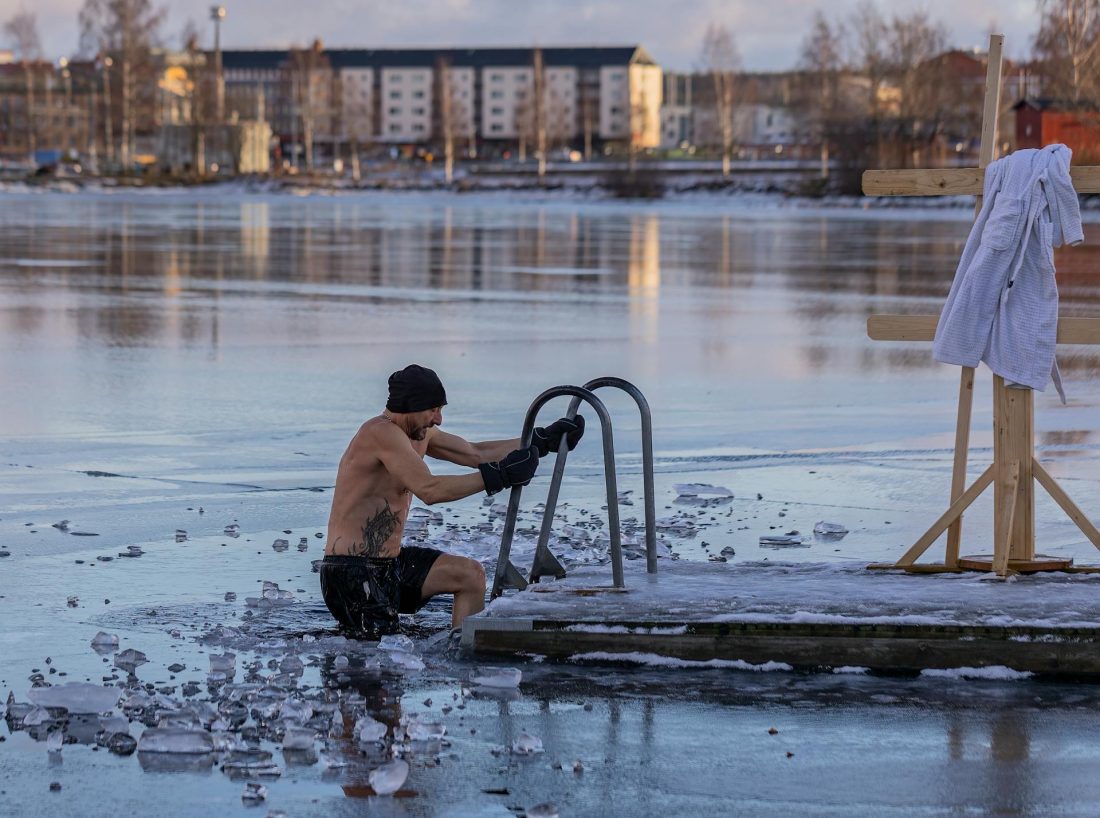
Social media is flooded with athletes plunging into ice baths, preaching the gospel of cold therapy. Elite performers swear by their daily cold plunges, and weekend warriors are installing chest freezers in their garages. But here’s the plot twist that’s shaking up the sports science world: your ice bath might be sabotaging your gains.
Recent research reveals a shocking truth – cold therapy can actually decrease strength and muscle growth when used incorrectly. Yet the same studies show dramatic improvements in mental resilience, focus, and recovery when applied strategically. The difference isn’t whether you should use cold therapy, but when, how, and why.
Your body’s relationship with cold is more complex than a simple “good vs. bad” equation. Understanding this complexity is the key to unlocking cold therapy’s true potential while avoiding the performance-killing mistakes that plague even experienced athletes.
1) The Adaptation Interference Effect: When Cold Kills Your Gains
Ice baths immediately after strength training can reduce muscle protein synthesis by up to 30% and blunt the inflammatory response your body needs for adaptation. The very mechanism that makes you stronger – controlled cellular stress and adaptation – gets short-circuited by premature cooling.
Apply: Create a 4-hour window between strength training and cold exposure. If you train at 6 PM, save your ice bath for later that evening or the next morning. This allows your body to initiate the adaptation process while still gaining cold therapy benefits.
Protocol: For athletes doing concurrent training, prioritise cold therapy timing based on their primary goal. Strength-focused athletes should delay cold exposure, while endurance athletes can use it more liberally since the interference effect is minimal for aerobic adaptations.
2) The Goldilocks Zone: Temperature & Duration That Actually Work
Most athletes go too cold for too long, thinking more equals better. Research shows optimal benefits occur at 50-59°F (10-15°C) for 10-15 minutes. Going colder or longer doesn’t increase benefits and may actually impair recovery through excessive stress response activation.
Apply: Use a thermometer, not guesswork. Start with 59°F for 10 minutes and gradually work down to 50°F as you adapt. If you’re shivering uncontrollably or feel nauseous, you’ve gone too far.
Hack: Track your heart rate variability (HRV) the morning after cold exposure. Optimal cold therapy should improve HRV within 24-48 hours. If it’s consistently dropping, you’re overdoing it.
3) Mental Resilience Training: The Hidden Superpower
While cold therapy might interfere with some physical adaptations, its mental benefits are undeniable. Controlled cold exposure activates the same neural pathways you need for performing under pressure, making it invaluable for competition preparation and mental toughness development.
Apply: Use cold therapy as “stress inoculation” training 2-3 weeks before competitions. Practice breathing control and positive self-talk during cold exposure to build the mental skills you’ll need when performance pressure peaks.
Application: Before high-stakes competitions or challenging training sessions, use 2-3 minutes of cold exposure as a mental priming tool. The controlled stress response preps your nervous system for optimal performance under pressure.
4) Strategic Recovery Timing: When Cold Actually Helps
Cold therapy excels at managing inflammation and accelerating recovery between training sessions, but timing is everything. Used strategically, it can help you train harder more frequently without accumulating excessive fatigue.
Apply: Use cold therapy after high-volume endurance sessions or between training days when you need to manage accumulated fatigue. Avoid it immediately after sessions where you’re seeking maximum adaptation (heavy strength training, power development).
Structure: Plan cold therapy around your training periodisation. During high-volume phases, use it more frequently for recovery. During strength/power phases, minimise use except for mental preparation or between-session recovery when you have back-to-back training days.
5) The Contrast Method: Maximising Benefits While Minimising Interference
Contrast therapy (alternating hot and cold) may offer the best of both worlds – cold therapy benefits without the adaptation interference. The heat component helps preserve the inflammatory response needed for adaptation while still providing cold therapy’s mental and recovery benefits.
Apply: Try 3-4 rounds of 3 minutes hot (sauna/hot tub) followed by 1 minute cold. End on cold for the mental resilience benefit. This protocol maximises recovery while minimising adaptation interference.
Advanced: For competition preparation, use pure cold therapy for mental training. For daily recovery during training blocks, use contrast therapy to maintain adaptations while managing fatigue.
Game Plan
This week, audit your current cold therapy use. Are you using it immediately after strength training? Are you going too cold for too long? Are you considering your training goals when timing your cold exposure? Create a strategic cold therapy plan that aligns with your training objectives. Remember: cold therapy isn’t about suffering for suffering’s sake – it’s about strategic stress application that enhances rather than hinders your performance goals.The athletes who understand this distinction will unlock cold therapy’s true potential while avoiding the adaptation-killing mistakes that keep others plateaued. The ice bath revolution starts with strategy, not just shock!
⚠️ Got any questions?
▶️ Click here to book a free zoom call & have a chat!
⚠️ Want to improve your knowledge?
▶️ Check out blog | podcast | performance overview
⚠️ Feeling lost with your nutrition?
▶️ Check out nutrition plan
⚠️ Need some mental tools?
▶️ Check out mindset toolkit
⚠️ Want to up your game
▶️ Check out athletic development program
⚠️ Looking for a professional performance service?
▶️ Check out one-to-one | management | performance | development | specialist
